
Have you ever felt like your content is just not hitting the mark? The team are producing a lot, but none of it leads to conversation or, most importantly, conversion. Maybe your socials are falling just a little short of what you’d hoped for, or your reach to new audiences seems to be limited. If this resonates, it’s time to think more strategically: not just what you’re posting, but how, why, where and when.
The key? Your content needs to consistently reflect your values (who you are), display how and why your products and services are perfect for the clients in the sandbox you are playing in, and here’s the kicker, should strategically showcase your capabilities. The trap many fall into is getting hooked on likes by focussing only on content centred around community or internal achievements. This broader focus (together with a target market growth strategy) allows you to attract new audiences – clients, collaborators or partners and steer your company toward new growth.
Common Mistakes
- Over-indexing on culture: shining the spotlight on team outings, internal wins and awards over your actual work and expertise.
- Vague messaging: your core offerings, capabilities and servicing areas should be more clear than crystal, to audiences – particularly new ones, leave the unnecessary detail for last.
- Underutilising platform features: not leveraging tools designed to boost your visibility and showcase your capabilities to new audiences, such as the Featured section on LinkedIn or tagging colleagues for broader network reach
- Optimise Schedule: content should be targeted to the audience’s most active times. Why post when your audience is offline? Why go to a tradeshow where your decision makers aren’t attending or sponsoring an event, but expect nothing in return?
How To Reframe Your Strategy Using Prominence & Positioning
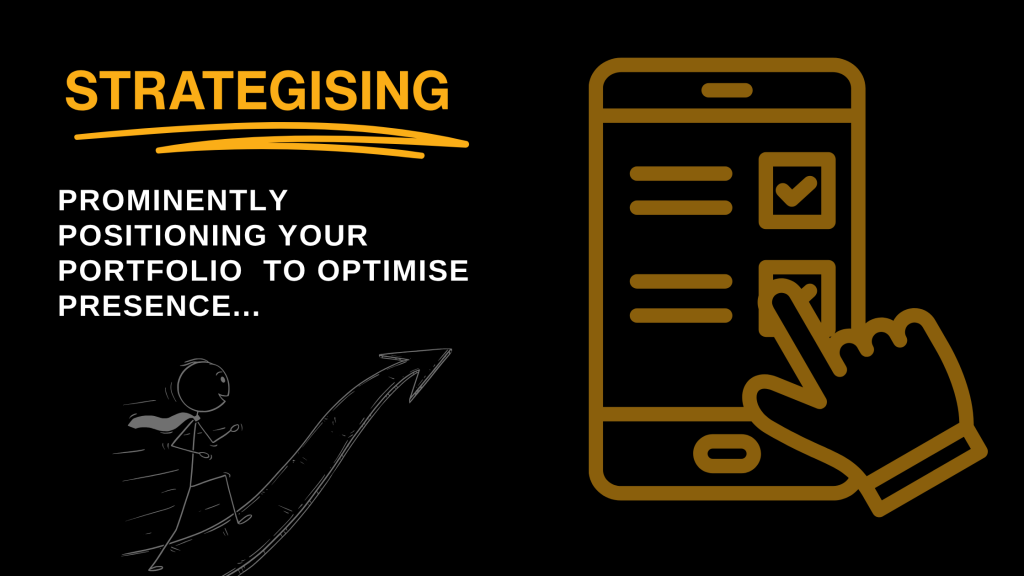
Presenting yourself offline or online with prominence encapsulates the right content being seen by the right people – at the right time. Rather than catering only to your existing audience, detail content to appeal to your target audience as a whole – including ideal future clients. The more audience-focused and segmented you can be, the better. However, the step most commonly missed is identifying the audience first and connecting with them to share this great content then.
Time it right. Platforms offer insightful analytics into user behaviour, which can be leveraged to optimise content performance. Post when your ideal demographic is scrolling on the commute home to work, or active on LinkedIn weekday mornings. Pick that billboard that is positioned correctly and decide to take a stand rather than simply attending a tradeshow.
Use high-impact platform real estate. Platform infrastructure is designed for optimal audience engagement – be sure to leverage this in the unique ways each site offers. A particularly powerful but often underused platform tool is LinkedIn’s “featured” section – this acts as the first window into the capability of your company and can be used to efficiently begin communicating your brand narrative. This section sits high on a profile and is designed for spotlighting what matters most. Feature content that represents your company and what you value, that clearly demonstrates your services and sends a clear message of “your capabilities”.
Build trust, confidence and credibility. Steer away from content that feels like a showcase of your achievements and more toward a realistic representation of your company. Share case studies, client testimonies and project highlights or timelines to prioritise informing your audience adequately.
Balance is the key
If you are looking to grow, remember to let potential customers know you have space, looking busy is great but it also gives the message you are full!
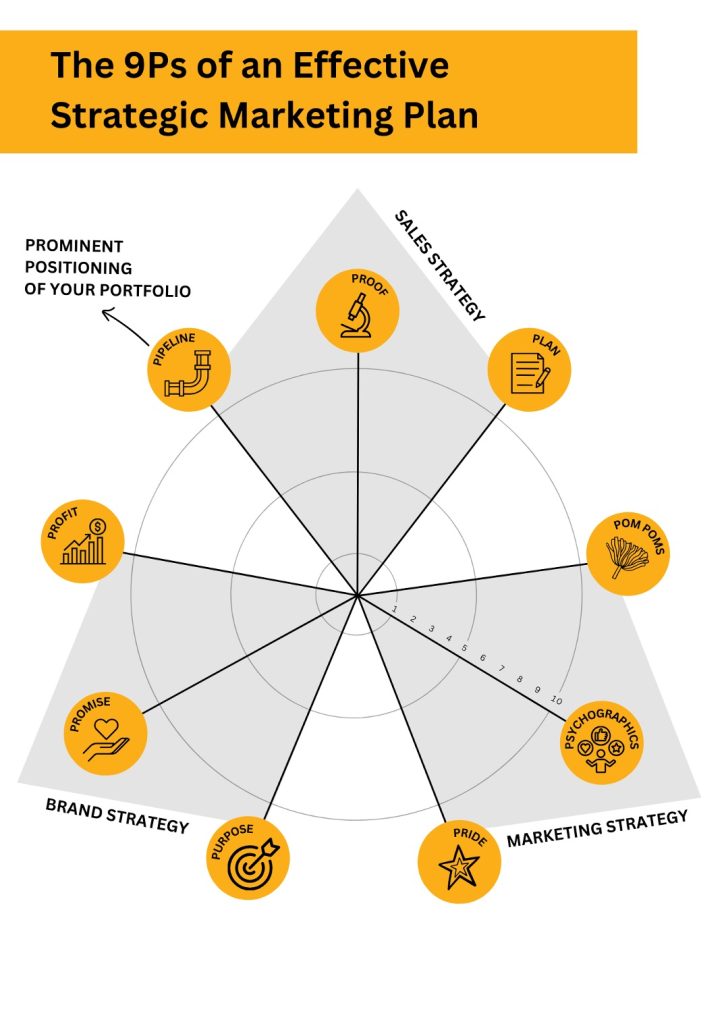
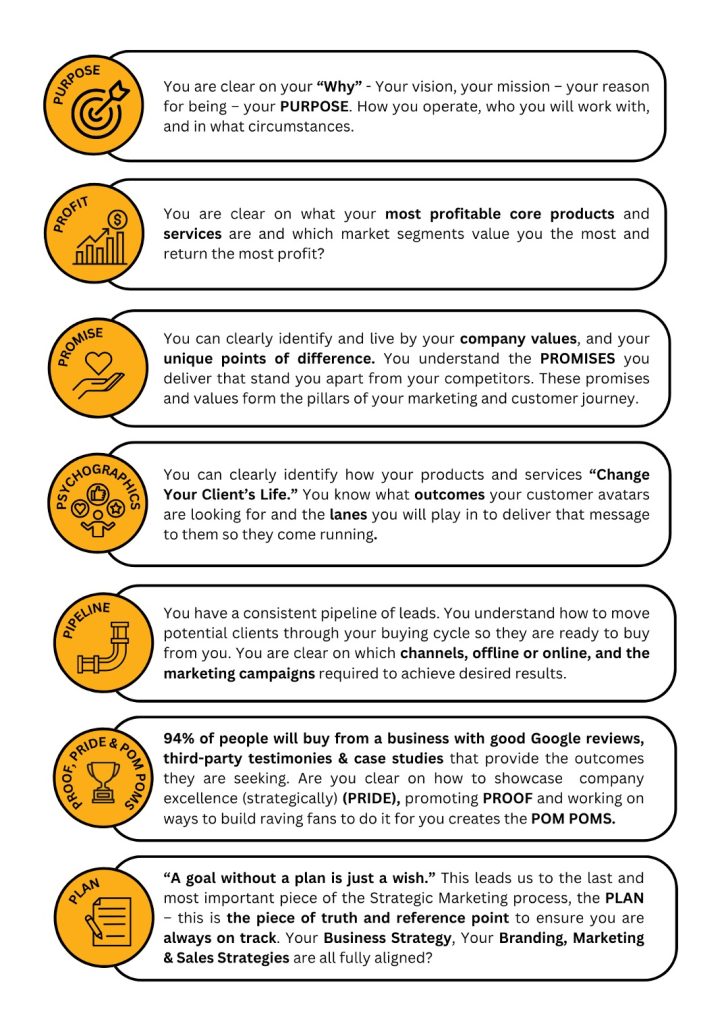
As you begin preparing your 2026 strategy, take into account our 9P’s of a strategic marketing plan and if you need to throw around some ideas, reach out.